HIFU, radiofrequency or laser? Choosing for your skin goals
By Brisbane HIFU Clinic
Published
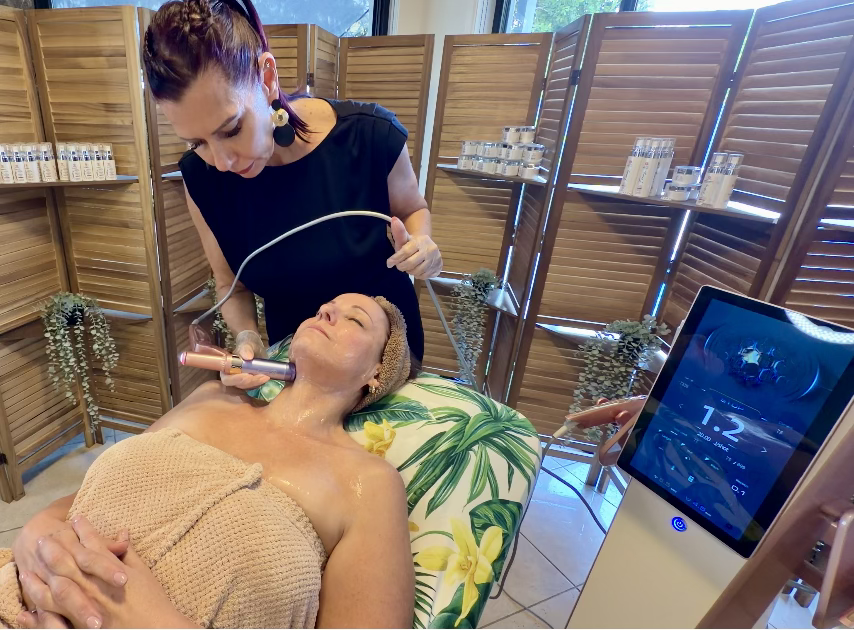
When you’re comparing skin treatments, the names can make the decision feel more complicated than it needs to be. HIFU, radiofrequency and laser all use energy, but they deliver it differently. The useful starting point is what you’d like to change: firmness, texture, pigmentation or a combination.
Start with your main concern
Skin laxity means looseness. You might notice it around your jawline or beneath your chin. Texture concerns include roughness, fine lines and acne scarring. Pigmentation involves changes in skin colour, such as uneven patches or sunspots.
These concerns can overlap, so one treatment may not address everything. If firmness is your priority, our skin-tightening options in Brisbane are a useful starting point. If a spot is new, changing or worrying you, have it medically assessed before considering cosmetic treatment.
HIFU: focused ultrasound for firmness
HIFU stands for high-intensity focused ultrasound. It directs ultrasound energy to selected depths below the skin’s surface, creating controlled heating intended to stimulate collagen remodelling.
Cosmetic focused-ultrasound treatments are generally considered for mild to moderate laxity. Changes tend to develop gradually, and the amount of improvement varies. Treatment suitability depends on your skin, facial anatomy, goals and the device being used.
At Brisbane HIFU Clinic, we use UltraTherapy 15D MMFU. Your consultation is the opportunity to discuss its suitability for your concerns, expected benefits and limitations.
Radiofrequency: check which kind
Radiofrequency, or RF, uses electrical energy to generate heat in tissue. There are several ways to deliver it.
Non-invasive RF uses a handpiece on the skin’s surface without inserting needles. Depending on the system, it may be considered for skin laxity and wrinkles.
RF microneedling combines small needles with RF energy delivered within the skin. It is a different procedure, with different recovery needs and risks. It may be discussed for concerns such as wrinkles and acne scarring, depending on the device and its intended use.
When comparing a quote or treatment description, ask exactly which type of RF is being offered.
Laser: several approaches to skin quality
Laser treatments use light energy. The wavelength and treatment method affect what the laser targets and how the skin responds.
Non-ablative lasers heat tissue without removing the outer skin layer. They can support collagen remodelling and address selected texture concerns, usually with less recovery than ablative resurfacing.
Ablative lasers remove outer skin layers in treated areas and also stimulate remodelling. They may be considered for wrinkles, scarring and some uneven pigmentation, but involve more healing and aftercare.
Some lasers can improve firmness as well as texture. “Laser” is therefore too broad a label to predict the result or downtime. Ask which laser is proposed and why it suits your concern.
Compare recovery and risks, too
HIFU and non-invasive RF generally involve less downtime than ablative resurfacing, but discomfort, redness and swelling can occur. Focused-ultrasound complications reported in clinical literature include skin injury and nerve-related effects.
Laser risks include infection, scarring and darker or lighter patches of skin. Skin tone and a history of pigmentation changes matter when selecting a treatment.
RF microneedling requires its own risk discussion. The US FDA has reported serious complications with certain uses, including burns, scarring, fat loss and nerve damage. An experienced practitioner should explain both expected recovery and complications relevant to the specific device.
How to make the comparison useful
Bring three things to your consultation:
- Your main goal. Be specific about whether you want firmer skin, smoother texture or more even colour.
- Your recovery window. Mention work, travel and upcoming events.
- Your treatment history. Include previous procedures, relevant health conditions and medicines.
Ask what improvement is realistic, when it would be assessed, whether repeat treatment might be needed, and what the complete cost includes.
A consultation may also identify that a different treatment or specialist assessment would better suit your goals. Significant loose skin may need a surgical opinion. If you’re exploring a non-surgical facelift in Brisbane, it helps to understand that non-surgical tightening usually produces more modest changes than surgery.
Discuss your goals in Hamilton
You don’t need to choose a technology before your appointment. Book a consultation at Brisbane HIFU Clinic, 88 Allen St, Hamilton, to discuss whether HIFU suits your skin and expectations. For current treatment fees, see our HIFU pricing page. Your recommended treatment area and individual assessment will guide the discussion.
Source
- American Academy of Dermatology: Firm sagging skin
- Mayo Clinic: Laser resurfacing
- US FDA safety communication (15 October 2025): Potential risks with certain uses of radiofrequency (RF) microneedling
- Alhaddad et al. (2019), Split-face trial comparing monopolar radiofrequency and microfocused ultrasound with visualisation, Dermatologic Surgery
- Hendel et al. (2023), Fractional CO2 laser versus microneedle radiofrequency for acne scars: a split-face trial, Lasers in Surgery and Medicine
- Friedmann et al. (2018), Complications from microfocused transcutaneous ultrasound: case series and review of the literature, Lasers in Surgery and Medicine
- Marr et al. (2017), Transient nerve damage after microfocused ultrasound with visualization, Dermatologic Surgery